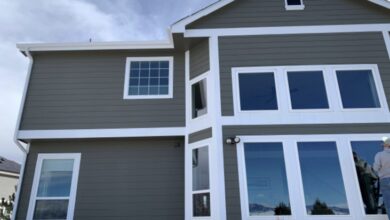
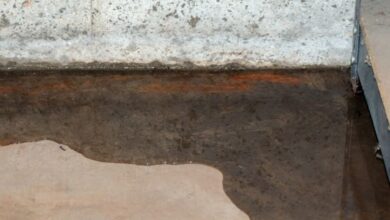
Basements are among the most useful parts of a home, but they are also among the most vulnerable. They sit below ground level, surrounded by soil that constantly changes with moisture and temperature. In places like Wyoming, Michigan, that environment can quietly put stress on basement foundations year after year.
Many homeowners do not realize there is a problem until small changes begin to appear. A crack along the basement wall. A musty smell that lingers after rain. A door upstairs that suddenly sticks. These signs often feel unrelated at first, but they frequently trace back to basement foundation movement.
That is why homeowners begin looking into foundation repair wyoming michigan when they suspect something more than normal wear is happening. In many cases, the underlying issue points toward the need for basement foundation repair, not just cosmetic fixes.
Why Wyoming, Michigan, Soil Creates Basement Stress
The soil beneath Wyoming homes plays a major role in foundation behavior. Much of the area contains soil that expands when it absorbs moisture and contracts when it dries out.
During wet seasons, saturated soil exerts outward pressure on basement walls. During dry periods, that same soil can pull away from the foundation, removing support. This repeated expansion and contraction creates pressure that basement walls were never designed to handle indefinitely.
Over time, this stress can cause cracking, bowing, or shifting in the basement foundation walls.
Seasonal Weather Makes The Problem Worse
Michigan’s freeze-thaw cycle adds another challenge. When water in the soil freezes, it expands. When it thaws, it contracts. This process happens repeatedly throughout the year.
Basement foundations feel the effects of this movement more than above-ground structures. Snowmelt, spring rain, and heavy fall moisture all increase pressure against basement walls.
This is why basement foundation repair issues often become more noticeable after winter or during wet seasons.
Early Basement Warning Signs Homeowners Miss
Basement foundation problems rarely announce themselves loudly. They usually start small.
Homeowners may notice thin wall cracks or hairline fractures in the basement concrete. Some see efflorescence, a white powdery residue that forms when moisture moves through masonry. Others notice dampness or a musty smell that never fully goes away.
Sometimes the signs show up upstairs first. Floors feel uneven. Doors stick. Drywall cracks appear near corners.
These symptoms are easy to dismiss individually, but together they often indicate basement foundation movement.
Why Basement Cracks Are Not All The Same
One of the biggest misconceptions is that all basement cracks are harmless. Some cracks are minor and stable. Others signal pressure or movement.
Vertical cracks can be associated with settling. Horizontal cracks often indicate lateral pressure from soil pushing against basement walls. Stair-step cracks in block walls may suggest uneven stress or shifting.
The direction and location of cracks matter. Understanding what they mean helps determine whether monitoring is enough or if basement foundation repair should be considered.
How Water And Drainage Affect Basement Foundations
Water is one of the biggest contributors to basement foundation problems. Poor drainage allows water to collect around the foundation, increasing soil pressure.
Overflowing gutters, downspouts that discharge too close to the home, and yard grading that slopes toward the foundation all worsen basement stress. Even without visible flooding, repeated moisture exposure weakens soil stability.
In Wyoming, Michigan, many basement foundation issues are tied to water management problems that went unnoticed for years.
Why Bowing Basement Walls Are A Serious Sign
Bowing or leaning basement walls indicate sustained pressure. This is not a cosmetic issue. It means the wall is responding to the force from the surrounding soil.
Homeowners may notice walls that appear slightly curved or cracks that widen toward the center. In severe cases, walls may visibly lean inward.
These conditions typically require basement foundation repair to stabilize the wall and prevent further movement.
Basement Floors Can Also Signal Foundation Trouble
Basement foundation issues are not limited to walls. Floors can show signs, too.
Cracks in the basement floor, uneven surfaces, or areas that appear to sink can indicate shifting beneath the slab. This movement may be tied to soil settlement or moisture changes below the foundation.
While not every floor crack is structural, patterns and progression matter. Changes over time often point to foundation-related causes.
The Difference Between Cosmetic Fixes And Structural Repair
Many homeowners attempt quick fixes. Patching cracks. Painting over moisture stains. Installing dehumidifiers.
While these steps can temporarily improve appearance, they do not address structural movement. Basement foundation repair focuses on stabilizing the structure itself, not just hiding symptoms.
Ignoring the underlying cause allows pressure and movement to continue. Over time, this often leads to more extensive damage.
When Basement Foundation Repair Becomes Necessary
Not every basement issue requires immediate repair, but certain conditions usually indicate that action is needed.
Cracks that widen over time
Walls that bow or lean inward
Recurring moisture despite drainage improvements
Floors that feel uneven or shift
Repeated interior damage linked to basement movement
When these signs appear, basement foundation repair helps stop progression and protect the home above.
Why Basement Issues Affect The Entire House
The basement foundation supports everything above it. When basement walls or floors move, that stress transfers upward.
This is why foundation problems can cause drywall cracks, sticking doors, uneven floors, and exterior gaps. The basement may be where the issue starts, but the whole home feels the effects.
Stabilizing the basement foundation helps restore balance throughout the structure.
Acting Early Can Reduce Repair Scope
Basement foundation repair is often more manageable when issues are addressed early. Stabilizing a wall or reinforcing a foundation before severe movement occurs can simplify the work. Waiting allows pressure to continue building. That can lead to larger repairs, more disruption, and higher costs.
Early evaluation gives homeowners options instead of urgency.
Conclusion
From the experience of Wyoming Foundation Repair Experts, basement foundation repair is one of the most common structural needs for homes in Wyoming, Michigan. Soil conditions, moisture patterns, and seasonal weather all contribute to gradual foundation stress.
Basement issues rarely resolve on their own. They develop quietly and show warning signs along the way. Paying attention to those signs allows homeowners to protect their homes before damage spreads.
Basement foundation repair is not about panic. It is about stability, prevention, and long-term confidence. When the basement foundation is secure, the rest of the home can perform the way it was meant to.