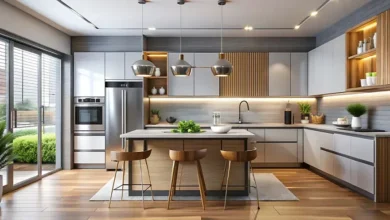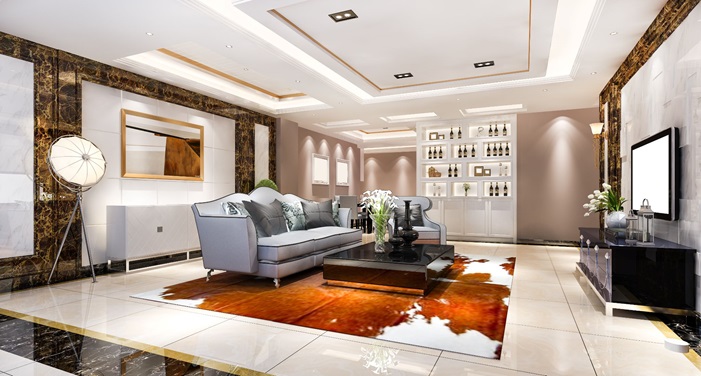
There was a time when “luxury” and “sustainable” barely showed up in the same sentence. That’s changed. Homeowners putting real money into a remodel now want something that looks expensive, holds up for decades, and doesn’t leave a huge environmental footprint behind. That’s the whole idea behind sustainable home remodel materials: they’re not a compromise anymore; they’re often the better choice on every front.
And it’s not just a feel-good trend. Sustainable materials tend to age better, handle rough weather more gracefully, and hold their value if you ever sell. So if a remodel is on your radar this year, it’s worth actually understanding what goes into a smart, eco-friendly renovation; not just the buzzwords attached to it.
What Actually Counts as a Sustainable Material?
A material earns the “sustainable” label when it’s renewable, recycled, or produced with less waste and lower environmental cost. Reclaimed wood from an old barn. Metal that’s been melted down and reused. Stone quarried with a lighter footprint than the industry standard. None of it is exotic or hard to find anymore; it’s just a matter of asking the right questions before you commit to materials.
Reclaimed and Engineered Wood
Wood is still the heart of most high-end interiors, but where that wood comes from has shifted. Reclaimed wood-old beams, salvaged flooring, repurposed timber brings a texture and history that new lumber can’t fake. Every scratch and knot means something.
Engineered wood covers the other side of this. It stretches raw timber further while still giving you that warm, solid look for cabinetry, staircases, or kitchen islands. Less forest cut down, same visual payoff.
Recycled Metal and Glass Details
Brass knobs, steel rails, and copper sinks are common in new spaces. A lot of these parts now come from metal that was used before, not from new ore. From a distance, it is hard to tell. Sometimes the recycled pieces even age better. They can develop a richer patina as time passes.
Recycled glass is also showing up more and more. You see it in countertops, on wall backs, and in bold light fixtures. It is tough and easy to care for. It also gives designers room to use color while skipping some artificial options.
Natural Stone, Sourced More Responsibly
Stone has always been associated with the word “luxury.” The change now is that people talk about the source much earlier, before the slab is even chosen. More sellers are saying where the stone is from, the distance it travels, and what gets left as waste when the quarry is worked. Granite, quartzite, and limestone are still in demand. But buyers are asking more questions before they decide to buy.
Windows and Insulation That Actually Do Their Job
A home renovation is more than a fresh look. It changes how the home feels day to day once the walls go back up-Windows matter. Triple-pane glass helps a lot. Low-E coatings also help keep heat where it belongs. Insulation plays a role too, and the results show up in real energy use, not just promises.
In spots like Los Angeles and also the Hamptons, the weather can swing quickly. Summers can be brutal, and winters can surprise you. When that happens, upgrades like these are not just optional. They help a house stay comfortable all year. Without them, the place can feel like it is always pushing back.

Low-VOC Paint and Finishes
People rarely consider indoor air quality during remodeling. Yet regular paints and finishes can release fumes even after the workers are gone. That means the air in your home can stay off for a while.
In recent years, low-VOC and zero-VOC paints have improved a lot. You do not have to give up how the surface looks. You also do not have to settle for dull color to get fresher air.
Building New Space? Start Sustainable From Day One
Sustainable choices aren’t limited to a kitchen refresh or a bathroom update. If you’re expanding your home’s footprint altogether, this is where material decisions matter even more-you’re building from scratch, not retrofitting. Anyone looking into a home addition in Los Angeles has a real chance to bake sustainability into the bones of the project- framing, insulation, windows- instead of bolting it on later.
Final Words
Sustainable materials in 2026 aren’t a passing trend; they’re quickly becoming the baseline expectation for anyone remodeling seriously. And none of those mean forfeiting craftsmanship and style. These materials tend to have more character than the blandest of mass-produced alternatives, if anything.
If you’re considering a home renovation ROI and would like a team that knows how to plan for balancing sustainability with true luxury finishes, consider talking to Black Wall Builders. With notable projects spanning across LA, Miami, and the Hamptons, they certainly know how to source wisely without skimping on impact in the result.
FAQs
1. What are sustainable home remodel materials, and why do they matter in 2026?
These are reused wood, recycled metal, and stone reclaimed from ethical sources. These help reduce the impact on the planet while still maintaining a solid build. The way a space looks on day one in 2026 is not all that people care about. Buyers and homeowners also consider the longevity, what utility bills will be like, and if value holds over time.
2. Is an eco-friendly renovation actually more expensive?
Sometimes it costs more at the start. Other times it does not. Some items run higher, like certain materials you buy up front. Still, a lot of it lands near normal price. Engineered wood can be around the usual range. Low VOC paint often fits the standard budget too. What you may notice later is the payoff. Energy use can drop. Bills can be less. You may also see fewer fixes as time goes on.
3. Which rooms get the most benefit from sustainable materials?
Most of the materials go into kitchens and bathrooms. You can see it with countertops, cabinetry, floors, and also fixtures. However, while Windows and Insulation help to improve the entire home rather than just a single room,
4. Do sustainable materials actually last as long as traditional ones?
It can be about the same length, and at times it goes longer. Reclaimed wood is often steadier than fresh lumber, since it has already had years to settle and harden from being used.
5. How do I know a material is genuinely sustainable and not just marketed as such?
If you want proof, ask for the right certifications. Also contact each supplier and ask where the materials are sourced. Then request the paperwork that shows how the material was made, if that exists. A good contractor should be able to explain the origin of the material clearly and describe the processing in plain terms.