A crack in a basement wall can make a tube of sealant look like a quick answer. An uneven floor can make shimming a door seem easier than investigating the structure below it. Those fixes may improve a symptom for a while, but structural problems require a clear understanding of what is moving and why.
If you are comparing foundation repair companies Omaha, focus first on diagnosis rather than the fastest visible fix. The safest plan separates cosmetic damage from structural movement and identifies drainage, soil, wall pressure, or material problems that may be contributing to the condition.
Why DIY Repairs Can Be Misleading
The biggest challenge with do-it-yourself work is not applying a patch. It is deciding whether the patch is appropriate. A crack may be caused by normal concrete curing, minor stable movement, active settlement, wall pressure, or deterioration. Those conditions do not call for the same response.
Filling a moving crack can hide evidence that would otherwise help track the problem. Adding mortar to a displaced masonry joint does not correct the movement behind it. Bracing or lifting structural components without proper planning can shift loads to areas not designed to carry them.
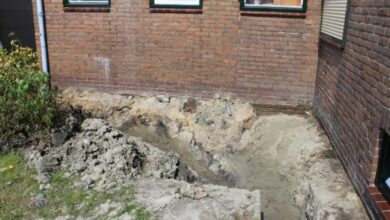
DIY drainage improvements can sometimes help direct surface water away from the house, but drainage work does not lift a settled section or straighten a bowed wall. Structural correction should address the condition that already exists.
Which Signs Deserve Prompt Attention?
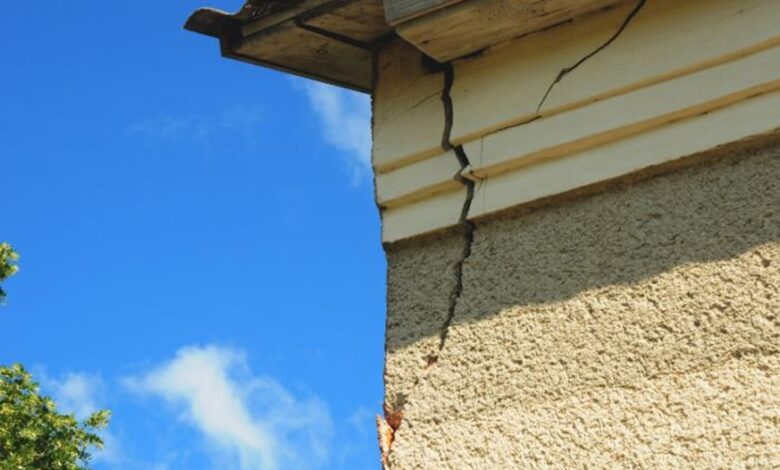
Changes that appear together are especially important. A growing crack, paired with a sticking door or a sloping floor, can suggest movement affecting a larger area. Horizontal wall cracks, stair-shaped masonry cracks, wall bowing, visible displacement, and gaps that continue widening also deserve evaluation.
FEMA’s home inspection guidance explains that inspectors assess a residence’s structure and document its foundation, structural type, and cause of damage. That supports taking visible structural warning signs seriously and documenting them before repair work changes the evidence.
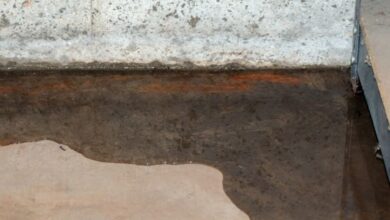
Water entry is another sign to take seriously. Water can move through cracks or joints and can also affect soil near the structure. Sealing the interior surface may reduce visible leakage without addressing the external source or structural movement.
When Does Structural Repair Become Urgent?
Urgency depends on safety, active movement, water entry, and the condition of structural materials. A stable hairline crack is different from a wall that is bowing inward or a section of the house that is visibly settling.
Foundation repair should move higher on your priority list when cracks are changing, floors are becoming more uneven, structural supports are damaged, or movement is affecting several openings and finishes. If part of the structure appears unstable, avoid treating it as a routine cosmetic project.
A professional evaluation can help determine whether the condition needs immediate stabilization, planned repair, or monitoring. Getting that information early can prevent guesswork.
How Insurance Questions Should Be Handled
A home insurance policy may cover some types of sudden damage while excluding settlement, earth movement, drainage issues, or gradual deterioration. Coverage depends on the cause and the exact policy language, not simply on the fact that the foundation is damaged.
Before making assumptions, document the condition. Take clear photos, note when you first observed the change, and keep records of any event that may be connected to the damage. Review your policy and contact your insurer when you need a coverage decision.
Avoid describing the cause as a certainty before it has been evaluated. A crack tells you that stress occurred, but it does not automatically identify why the stress developed.
What Not to Ignore While You Wait for an Inspection
Do not assume that slow movement is harmless. Foundation problems do not correct themselves. Settlement can continue affecting floors, walls, doors, windows, plumbing connections, and finishes. A bowed wall can continue to move as long as pressure is applied against it.
You should also avoid covering important evidence before the inspection. Fresh drywall, heavy coatings, or patch material can make it harder to see crack patterns and displacement. Keep the area accessible when possible so the condition can be examined.
If water is entering the area, manage belongings and electrical risks safely while the source is investigated. Structural and water problems can overlap, so both conditions should be considered in the repair plan.
What a Good Repair Proposal Should Explain
A useful proposal should connect the repair method to the diagnosed problem. Settlement work should explain how support will be added or improved. Wall stabilization should identify the affected area and the type of reinforcement. Crack treatment should explain whether the crack is considered stable and how water entry will be handled.
Cost varies with access, foundation type, amount of movement, equipment, excavation, structural materials, and restoration. Ask what is included rather than comparing totals alone.
You should also understand the expected result. Some work is designed to stabilize a structure without returning every finish or floor to its original position. Clear expectations reduce confusion after the structural portion is complete.
Conclusion
Foundation repair is not a good place for guesswork. DIY patches can hide movement, insurance decisions depend on the cause and policy language, and several warning signs can point to conditions that need more than cosmetic attention. The most useful first step is understanding what changed and why.
If you want a professional assessment before making structural decisions, Steadfast Foundation Repair Omaha can review cracks, wall movement, floor changes, drainage conditions, and other visible signs. A careful evaluation can help you determine the scope of repair based on the actual condition rather than the easiest surface fix.