A small crack can be easy to ignore when everything else in the house seems normal. The problem is that structural movement often manifests as several small changes before a dramatic symptom appears. Cracks, uneven floors, sticking doors, gaps around trim, and changes in the basement can all provide clues about what is happening below the structure.
If you are researching foundation repair ypsilanti options, pay attention to patterns instead of judging one crack by itself. A single narrow crack may have a different cause than several cracks that appear with sloping floors or doors that no longer close correctly. The location, direction, width, and recent change in each symptom can help an inspector understand how the structure may be moving.
What Sinking Can Look Like Inside the House
Sinking does not always make a room look dramatically tilted. Early movement can appear as subtle changes that become easier to notice over time. A door that once closed freely may begin rubbing against the frame. A window may become difficult to open. Trim can separate from the wall, and small gaps can form where walls meet ceilings.
Floors are another useful clue. If one area feels lower than the surrounding space, or furniture seems to lean toward one side of a room, the structure may have moved unevenly. Uneven movement matters because different parts of the foundation can settle at different rates.
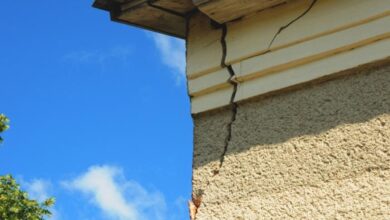
Cracks can add context. Diagonal cracks around doors and windows, stair-shaped cracks through masonry joints, or cracks that continue to widen deserve attention. The crack itself does not reveal the full cause, but changes in several parts of the house can point toward a broader pattern.
Exterior Warning Signs Deserve the Same Attention
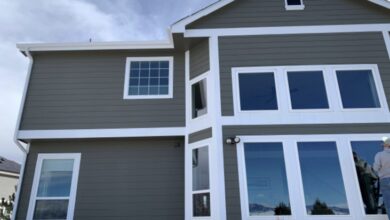
Walk around the outside and look for changes near the foundation, siding, brick, and openings. Gaps around windows or doors, separation between exterior materials, and visible cracks in foundation walls can be signs that movement has affected more than an interior finish.
The U.S. Geological Survey advises watching for signs of subsidence (sinking), such as tilted floors, misaligned door frames, and cracking in or around structural foundations. Those signs can have different causes, but they show that visible movement should be evaluated rather than treated as a surface issue alone.
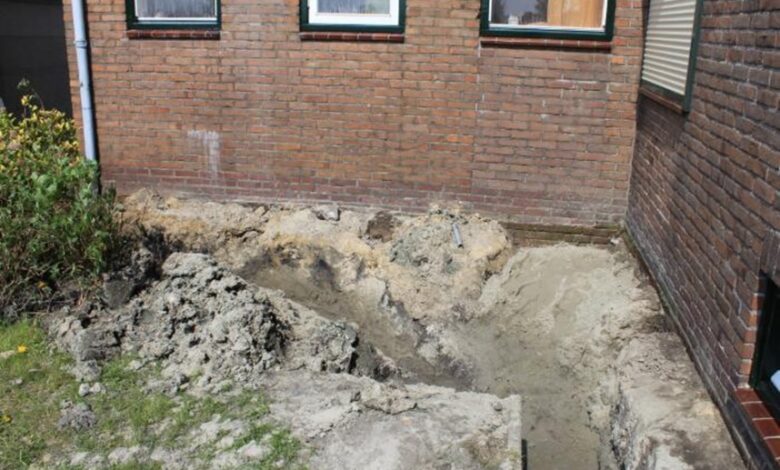
Also look at the ground near the structure. Depressions, erosion, poor drainage, or soil pulling away from the foundation can change how water reaches the soil. These conditions do not prove that structural settlement is occurring, but they give an inspector more information about what may be affecting support below the house.
Crack Direction and Change Matter More Than Appearance Alone
Not every crack carries the same meaning. Concrete and masonry can crack for several reasons, including shrinkage, movement, temperature changes, and changes in soil support. The useful question is not simply that a crack exists. You want to know if it is changing and what other symptoms appear nearby.
Marking the end of a crack with a pencil and noting the date can help you recognize visible growth. Photos taken from the same position can also make changes easier to compare. If a crack widens, lengthens, develops displacement, or appears alongside floor movement, sticking openings, or wall separation, a professional evaluation becomes more important.
Foundation repair should be based on the cause and pattern of movement rather than the appearance of one damaged surface. Covering a crack with patching material may improve its appearance, but it does not address ongoing movement underneath the structure.
Why Soil and Drainage Can Influence Movement
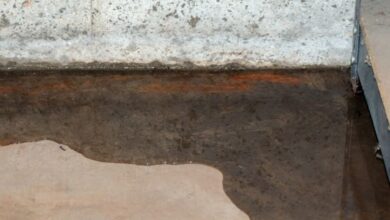
The soil supporting a house is part of the structural picture. Changes in water content can affect certain soils, while erosion or poor drainage can reduce support in localized areas. Plumbing leaks near or below the structure can also change soil conditions in ways that are difficult to see from inside the house.
Gutters, downspouts, grading, and drainage paths should move water away from the foundation. Water that repeatedly collects near one section can contribute to changing soil conditions. Fixing drainage does not reverse structural movement that has already occurred, but identifying water-related conditions can be important when determining what needs attention.
Trees and landscaping can also affect the area around the house. Large roots, concentrated irrigation, and major changes in nearby soil conditions can all become part of the evaluation. The important point is to look at the structure and the surrounding site together.
When Several Warning Signs Appear at Once
One isolated symptom may have a simple explanation. Several related symptoms appearing in the same area warrant closer attention. A diagonal wall crack paired with a sticking door and a low section of floor tells a different story than a small surface crack by itself.
Foundation repair becomes more urgent to evaluate when movement is active, cracks are growing, walls are shifting, or floors are noticeably changing. Waiting can allow additional parts of the structure to move and can make it harder to separate older cosmetic damage from newer structural changes.
An inspection may include measurements of floor elevations, review of cracks and wall movement, evaluation of drainage, and examination of accessible foundation areas. The findings help determine if the structure is stable, still moving, or affected by another issue that needs to be addressed first.
Conclusion
Sinking and structural movement rarely announce themselves with one perfect warning sign. More often, the clues appear as a pattern of cracks, sloping floors, sticking doors, wall gaps, exterior separation, and changing conditions around the foundation. Watching how those signs develop gives you more information than focusing on age or on a single crack alone.
If you are seeing several of these changes, Ypsilanti Foundation Repair Pros can inspect the foundation and explain what the visible signs may mean. A professional review can help you understand the source of the movement and the repair options that suit the structure’s condition.