How to Sell a Period Home in West London: What Buyers in W6 and W12 Are Really Looking For

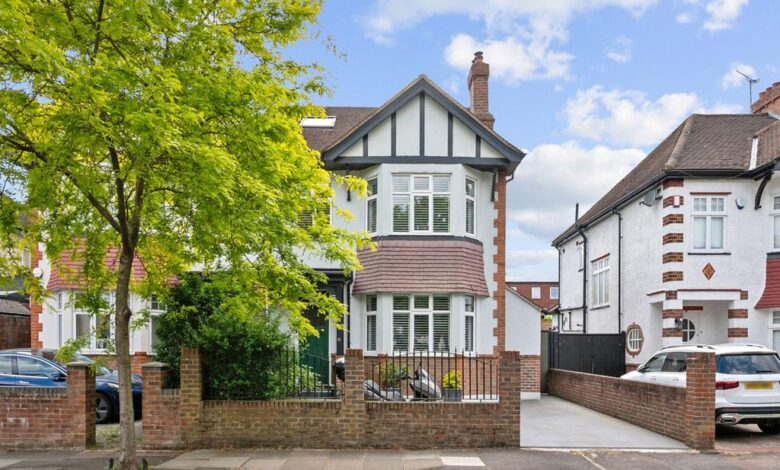
Selling a period home in West London often comes with different expectations than selling a newer property. Owners of Victorian and Edwardian houses in areas such as Hammersmith, Shepherd’s Bush and Brook Green are usually balancing the character of an older home with the practical needs of modern buyers.
Many people begin by speaking to estate agents in West London because local knowledge can make a significant difference when presenting a period property. Buyers looking in W6 and W12 are often familiar with the area and know exactly what they want, which means small details can influence their decision as much as the property’s overall size.
Character matters, but presentation matters just as much
One of the main reasons buyers choose a period home is its original character. Features such as fireplaces, ceiling roses, sash windows and decorative cornicing continue to attract interest, particularly from buyers who want a property with personality rather than a standard modern layout.
That does not mean every original feature should remain untouched. Buyers also expect homes to feel well maintained and ready to live in. Peeling paint, damaged timber flooring or neglected exterior brickwork can distract from the qualities that make an older property special.
Simple maintenance before marketing a home can make a noticeable difference. Repairing worn finishes, improving lighting and ensuring each room has a clear purpose helps buyers appreciate the property’s strengths without being distracted by avoidable issues.
Buyers in W6 and W12 expect period charm with modern practicality
Many homes across Hammersmith, Brook Green and Shepherd’s Bush have layouts created long before modern family life. While buyers appreciate traditional architecture, they also look carefully at how the property works for everyday living.
Open-plan kitchen and dining spaces remain popular where they have been designed sympathetically. Good storage, practical utility areas and well-planned bathrooms can also make an older property more attractive without removing its original character.
Transport connections play an important role in buying decisions. Easy access to Underground stations, bus routes and major roads continues to appeal to professionals commuting across London, while families often consider nearby schools, parks and local amenities alongside the property itself.
Outdoor space also carries considerable appeal. Even a compact garden, courtyard or roof terrace can add to a property’s attractiveness, particularly where it provides privacy and complements the style of the house.
Small details can influence buyers more than expected
Owners sometimes focus on expensive improvements while overlooking simpler issues that buyers notice immediately during viewings.
Cluttered rooms can make generous Victorian proportions feel smaller than they really are. Heavy furniture may hide attractive architectural details, while poor lighting can reduce the sense of space, particularly during winter viewings.
Kerb appeal is equally important. Well-maintained front gardens, freshly painted front doors and tidy entrance paths create a positive first impression before buyers even step inside.
Documentation is another area that is often overlooked. Having information readily available about planning permissions, building regulations, replacement windows or previous renovations can help answer questions quickly and reassure buyers considering an offer.
Properties that have been extended or remodelled should also demonstrate that the work complements the original style of the home rather than competing with it.
Local knowledge helps position a period home correctly
West London neighbourhoods each attract slightly different buyers, even when they are only a short distance apart. Brook Green often appeals to families seeking quieter residential streets, while Shepherd’s Bush attracts buyers looking for excellent transport links, shopping and a varied housing stock. Chiswick, Fulham and Kensington each have their own priorities and expectations as well.
Understanding these local differences helps when deciding how to present a property. Buyers searching for a family house may focus on schools and green spaces, while professionals may place greater emphasis on commuting options and nearby restaurants or cultural venues.
Independent local agents often spend years building an understanding of these neighbourhoods and recognise the features that matter most to buyers in each location. They can explain why one street attracts different interest from another, even within the same postcode, helping sellers present their homes in a way that reflects local demand rather than relying on broad assumptions about the London market.
For landlords considering whether to sell or continue letting an older property, discussions with letting agents in Shepherds Bush can also provide useful insight into tenant demand and how period homes perform within the local rental market before making a longer-term decision.
Conclusion
Selling a period home in West London is rarely just about square footage or postcode. Buyers in W6 and W12 often value original features, thoughtful maintenance, practical living spaces and a genuine connection to the surrounding neighbourhood. Presenting these qualities clearly, while understanding what local buyers expect, can help owners showcase the full appeal of their property and make informed decisions throughout the selling process. Estate agents in West London with detailed knowledge of individual neighbourhoods can often identify these local priorities more effectively than agencies relying on a wider regional approach.