Modern apartment buildings offer an impressive array of shared amenities designed to enhance the rental lifestyle. From fully equipped fitness centers and resort-style swimming pools to shared co-working spaces, rooftop lounges, and communal laundry rooms, these facilities bring comfort and luxury directly to your doorstep. However, because these spaces are shared by an entire residential community, they require a collective commitment to courtesy, cleanliness, and mutual respect to function properly.
Living in a multi-family property means that your personal habits directly affect the quality of life of your neighbors. When residents ignore basic community standards, shared spaces rapidly deteriorate, property management is forced to implement restrictive policies, and neighborly friction increases. Mastering the essential written and unwritten etiquette rules of apartment amenities ensures these areas remain functional, safe, and welcoming for everyone in the building.
Mastering Fitness Center Decorum
The community gym is often the most heavily utilized amenity in an apartment complex, and it is also the location where breaches of etiquette cause the most immediate tension. Because these residential facilities rarely have full-time staff monitoring the floor, residents must hold themselves accountable for maintaining a safe, organized, and sanitary environment.
Sanitation and Equipment Upkeep
Gym equipment accumulates sweat, body oils, and bacteria rapidly throughout the day, making personal hygiene a top priority for shared usage.
-
Wipe Down Everything: Always use the provided sanitizing wipes or spray to thoroughly clean the seats, handles, screens, and railings of a machine both before and immediately after your workout.
-
Return Weights to Their Racks: Leaving dumbbells, kettlebells, or weight plates scattered across the floor creates a dangerous tripping hazard and forces the next resident to clean up after you. Always re-rack your equipment in the designated slots according to weight.
-
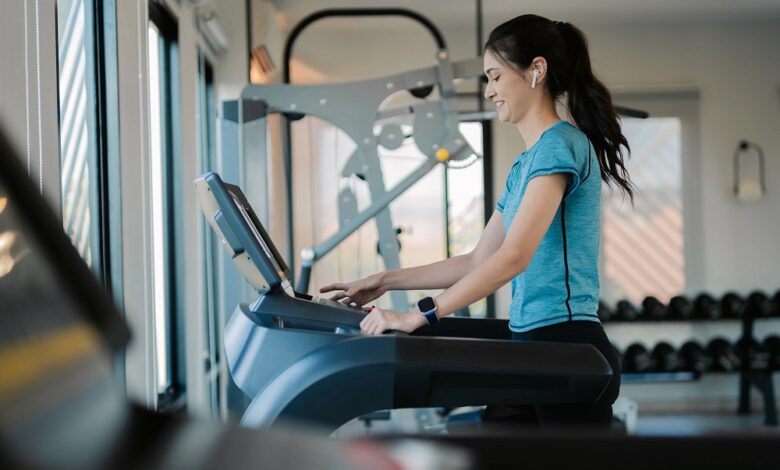
Do Not Monopolize Equipment: During peak morning and evening hours, limit your time on cardio machines like treadmills to thirty minutes. If you are performing multiple sets on a strength machine, allow other residents to work in between your rest periods rather than sitting on the bench while scrolling through your mobile phone.
Noise Control and Personal Space
Sound travels easily in enclosed fitness rooms, meaning your audio and behavioral choices can disrupt the focus and comfort of everyone around you.
-
Use Headphones At All Times: Never play music, podcasts, or instructional workout videos directly through your phone speakers or a portable Bluetooth speaker. Your neighbors do not share your exact taste in audio entertainment.
-
Avoid Grunting and Dropping Weights: While heavy lifting requires intense effort, excessive shouting or deliberately slamming weights onto the floor damages the building foundation and creates an intimidating atmosphere.
-
Respect Personal Boundaries: Give your fellow residents breathing room. If the gym is relatively empty, do not select the treadmill immediately adjacent to the only other person running.
Navigating Swimming Pools and Rooftop Lounges
Pool decks and rooftop lounges are designed for relaxation, socialization, and leisure. However, because these areas often permit food, drinks, and outside guests, they require a high level of situational awareness to prevent chaotic environments.
Guest Limitations and Hosting Etiquette
Property management companies implement strict guest policies to ensure that paying residents can actually access and enjoy the amenities they fund through their rent.
-
Adhere to the Guest Cap: Most buildings limit each apartment unit to two guests at a time in pool or lounge areas. Bringing a large group of outside friends violates your lease agreement and crowds out your neighbors.
-
Accompany Your Visitors: You must remain physically present with your guests at all times. Do not give your access fob to non-residents so they can use the pool or rooftop lounge while you are away or at work.
Safety, Cleanliness, and Atmosphere
Lounging in the sun or hosting an evening gathering requires careful attention to the physical space and the comfort of surrounding groups.
-
Enforce the No-Glass Rule: Glass bottles, cups, and bowls are strictly prohibited in pool areas. If a glass container shatters on a concrete deck or inside a pool, the property management team must drain the entire pool to remove microscopic shards, resulting in weeks of closure. Use plastic, aluminum, or silicone containers instead.
-
Dispose of Trash Instantly: Rooftop lounges and pool decks attract wind and pests. Clean up your food wrappers, leftover food, and empty cans immediately. Wipe down tables if you spill liquids or sauces.
-
Monitor Volume Levels: Keep your conversation levels moderate, and if you are playing music on a personal device, keep the volume low enough that it does not bleed into the conversations of adjacent groups.
Co-Working Spaces and Clubrooms
With the rise of remote and hybrid work schedules, apartment co-working lounges and business centers face unprecedented daily demand. These spaces require a delicate balance between productivity and quiet professional focus.
Shared Workspace Standards
An apartment business center is an extension of a professional office layout, not a casual living room.
-
Take Long Calls Privately: If you need to participate in an extended conference call or a video presentation, move to a designated phone booth or step outside the common area. Listening to someone negotiate a business deal for an hour destroys the concentration of others trying to work.
-
Keep Desktop Footprints Minimal: Avoid spreading your paperwork, laptop accessories, notebooks, and snacks across multiple desks or a large conference table if other residents are searching for a place to sit.
-
Clean the Coffee and Printing Stations: If you use the communal printer, remove your documents promptly so they do not stack up or get mixed into someone else’s paperwork. If the building provides a complimentary coffee machine, wipe up any drips or discarded sugar packets.
Communal Laundry Rooms
If your apartment complex utilizes a centralized laundry facility rather than in-unit washers and dryers, time management and punctuality are paramount to keeping the system moving smoothly.
Timeline Precision
The golden rule of communal laundry is to never leave your clothes unattended inside a machine after the cycle concludes.
-
Set a Timer on Your Phone: Track exactly when your wash or dry cycle will end and return to the laundry room five minutes early. Leaving your damp clothes in a washer blocks other residents who have busy schedules.
-
Moving Someone Else’s Clothes: If a machine has finished its cycle and the owner has not returned after fifteen to twenty minutes, it is generally acceptable to carefully move their clothes to a clean folding table. Never throw another resident’s clothes onto the floor or into a dirty basket.
-
Clean the Lint Trap: Before you start a dryer cycle and immediately after you finish, pull out the lint trap and clear away the debris. Failing to do so reduces the efficiency of the machine and presents a severe fire hazard for the entire complex.
Frequently Asked Questions
Can I reserve an entire apartment amenity space for a private party?
Reservation policies vary by building management. Many complexes allow residents to reserve specific indoor clubrooms or outdoor grilling pavilions for a private event by submitting a request form and paying a rental fee or a refundable security deposit. However, high-demand core amenities like the main fitness center or the primary swimming pool can almost never be reserved for private use and must remain accessible to all tenants during operational hours.
What should I do if a neighbor is consistently breaking amenity rules?
Do not engage in direct physical confrontations or hostile arguments with your neighbors. If a resident is consistently violating community guidelines, violating quiet hours, or damaging equipment, document the behavior with dates and times and report the issue directly to the property management office. Property managers can issue formal warnings, levy fines, or revoke amenity access privileges for non-compliant tenants.
Are children allowed in apartment gyms and co-working lounges unsupervised?
Most property management guidelines explicitly state that children under the age of fourteen or sixteen must be accompanied by an adult when utilizing the community fitness center, pool, or business lounge. This policy is primarily rooted in liability and safety concerns, as heavy workout machinery, deep water pools, and professional working environments can pose hazards to unsupervised minors.
Is it acceptable to wear swimwear inside the main apartment lobby or elevators?
Generally, proper footwear and a shirt or cover-up are required when walking through enclosed common residential areas like main lobbies, hallways, and elevators. Walking through indoor carpeted hallways while soaking wet from the pool creates slipping hazards and can damage building flooring, so residents should dry off completely and put on a cover-up before exiting the pool deck area.
Can I bring my pet into the apartment clubhouse or pool area?
Unless a specific area is designated as a pet-friendly zone, such as an on-site dog park or pet spa, companion animals are typically barred from pools, fitness centers, and indoor community lounges due to sanitation codes and allergy concerns. Certified service animals that assist individuals with disabilities are a legal exception to this rule and are permitted under federal fair housing regulations.
What are the standard operational hours for most apartment amenities?
While some fitness centers and laundry facilities operate twenty-four hours a day via key fob access, outdoor spaces like pools, grilling areas, and rooftop decks usually have strict closing times, typically between ten o’clock in the evening and midnight. These curfews are enforced to comply with local municipal noise ordinances and to prevent disruptions for residents whose bedrooms face the common courtyards.