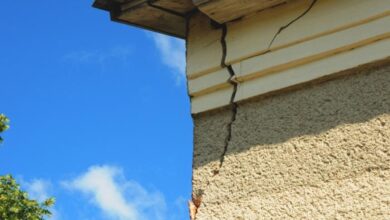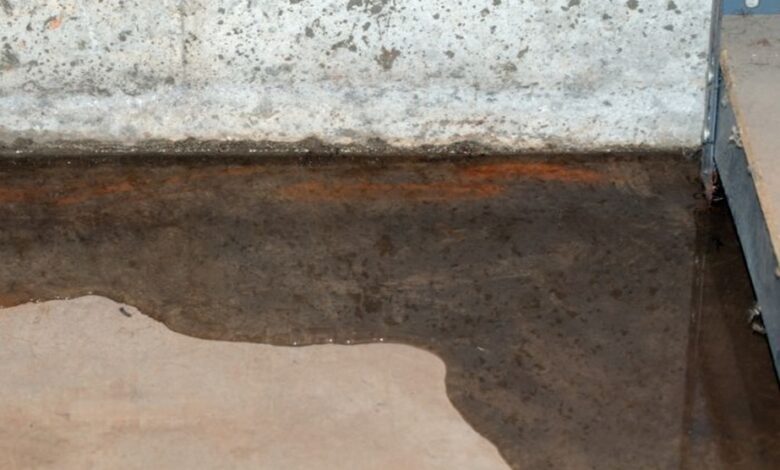
Foundation trouble can make every decision feel urgent. Cracks, uneven floors, sticking doors, or window gaps may point to movement, but the visible symptom does not always reveal the cause. A careful evaluation helps you avoid doing work on the wrong problem.
A qualified contractor should explain what is moving, why it is moving, and how the proposed system addresses it. You need clear answers about soil, drainage, structural loads, repair limits, and expected results. A promise to make everything level is not enough.
When you compare options for home foundation repair rochester, focus on the quality of the diagnosis before comparing the repair methods. The right company will connect each recommendation to evidence found at your property and give you time to understand the plan.
Start With a Complete Structural Evaluation
A useful inspection covers more than one crack. The contractor should examine interior and exterior symptoms, floor elevations, wall movement, drainage, and accessible framing. Measurements help separate active settlement from cosmetic damage or normal shrinkage.
Ask the inspector to explain which areas moved, how much variation was found, and what conditions may contribute to the problem. If the explanation does not match what you see, request more detail before discussing an agreement.
Look for a Diagnosis Before a Sales Pitch
Different foundation problems need different responses. Soil movement beneath a slab may call for support at selected load points. A pier-and-beam structure may need work on the piers, beams, joists, or moisture control. A leaking crack may require a water management plan instead of structural stabilization.
A contractor should not recommend the same system for every symptom. Good home foundation repair begins with the cause. Be cautious when an estimate names a product but does not explain the failure pattern, load path, or proposed support locations.
Verify Experience With Your Foundation Type
Ask how often the company works on structures like yours. Slab, basement, crawl space, and pier-and-beam foundations involve different access needs, materials, and repair techniques. Experience with the specific system at your property matters more than a broad claim about years in construction.
Keep the discussion centered on methods and conditions. The contractor should describe how the crew protects utilities, manages restricted access, limits disruption, and checks progress during installation.
Check Licensing, Insurance, and Local Requirements
Confirm the contractor holds the required licenses and suitable insurance. Rules vary by location and project scope, so check with the appropriate state or local agency rather than accepting a verbal claim. Ask for current documents and verify them when possible.
The FTC’s home improvement guidance recommends checking licenses and insurance, obtaining written estimates, and reading the contract carefully. These steps can help you spot pressure tactics, unclear payment demands, and missing project details before work begins.
Compare Written Repair Plans, Not Just Totals
Two estimates may describe different scopes. One may include stabilization at measured points, while another covers drainage, framing, crack treatment, or cosmetic repairs. Compare support locations, materials, access work, cleanup, monitoring, and exclusions.
For home foundation repair, the lowest total can be misleading when important work is missing. Ask each contractor to separate required structural work from optional improvements. A clear scope makes it easier to compare proposals and reduces confusion once the crew is on site.
Ask How the Proposed Method Solves the Cause
The contractor should connect the method to documented movement. Ask where the load will transfer, what provides resistance, and how the crew will check the installation. You should know what the system can correct and what it cannot reverse.
Be careful with claims that every crack will close or every floor will become perfectly level. Structural stabilization may stop or reduce movement without restoring all finishes to their original position. Honest limits are a sign that the contractor understands the building and is setting realistic expectations.
Review the Contract and Warranty Language
The contract should identify the scope, materials, work areas, payment schedule, cleanup, change process, and responsibility for permits. It should explain how concealed damage or unexpected conditions will be handled. Do not sign a document with blank spaces or missing verbal promises.
Read the warranty itself, not just the headline. Check what is covered, what is excluded, how a claim is evaluated, and whether coverage can transfer after a sale. A warranty has value only when the obligations, limits, and service process are clear.
Pay Attention to Communication and Site Protection
Communication before the project often reflects how the work will be managed. You should know who answers questions, supervises the crew, and provides updates. The company should explain access, noise, dust control, property protection, utility risks, and cleanup.
Ask what happens if field conditions require a change. A professional process documents the reason, revised scope, and approval before extra work proceeds. This keeps home foundation repair decisions tied to observed conditions instead of rushed conversations during construction.
Recognize Warning Signs Before You Commit
Pressure to sign immediately, demands for full payment up front, unclear company information, and refusal to provide a detailed scope are serious concerns. Be wary of anyone who shows up without an appointment and claims your foundation is unsafe before completing a thorough inspection.
You should also question dramatic guarantees or a proposal that changes each time you ask for details. A capable contractor can explain the plan in plain language, support it with measurements, and give you space to review the agreement.
Conclusion
Choosing a contractor is easier when you compare evidence, scope, qualifications, communication, and contract terms in the same order. Start with the diagnosis, then judge how well the proposed work addresses the cause and how clearly the company explains its responsibilities.
For a professional evaluation and a clear repair plan, contact Rochester Foundation Repair Pros. We can inspect your structure, explain the findings, and recommend practical next steps for your property.